Neither do I condemn you.

“Neither do I condemn you.” Jesus’ words would have struck deeply at the heart of the woman caught in adultery, leaving her forever changed.

Our lives often mirror both the condemning Pharisees and the condemned adulterous woman. At times, we take the place of the Pharisees—self-righteous, proud, eager to be proven right. But to what extent does being right truly fulfill us? Does recognition complete us, or is it a fleeting comfort? And when we are proven wrong, the sting of humiliation can echo the silent retreat of the Pharisees, exposed and defeated. Yet in both moments—of fleeting triumph and of shame—there remains a hollowness. Neither vindication nor failure brings the lasting joy we seek.

There have been countless moments when we’ve walked the same painful path as the adulterous woman—lost in our sin, consumed by shame, and feeling hopelessly trapped by the weight of our own failures.

Just like most of us, in those moments, I yearn for the gaze of Jesus—for that still, sacred moment when He says, “Neither do I condemn you.” I long to hear those words—not just with my ears, but with my soul. To feel that healing grace wash over me, breaking the chains of shame, guilt and anxiety and replacing them with the pure, overwhelming joy of being truly seen, known, and forgiven.

Building Self-Worth Through Family and Faith

Photo by Thomas Elliott on Pexels.com

God created us in His image and likeness. I remind myself of this truth often until it resonates with me. Reflecting on Genesis, I realize the word “image” goes beyond physical appearance. Old enough now, I’ve learned that this passage is about more than looks; it highlights our nature as beings capable of relating, sharing, and loving. These qualities make us unique in the universe. God values relationships, and we do too.

Although this is my new understanding of the passage, it still serves as an essential reminder that our value transcends the physical.

Recently, I came across research from the Mental Health Foundation that highlighted the troubling impact of poor body image on young people. This issue often leads to self-disgust, anxiety, and depression, disproportionately affecting girls. As a father of two teenage daughters, this research deeply troubles me. Exposed to media representations, peer pressures, and their own personal struggles, they face an ongoing risk of developing unhealthy obsessions with unattainable body ideals. Unsurprisingly, the same research found that children with less exposure to social media tend to experience better overall mental well-being.

I saw the amazing impact of encouragement at a youth camp where my daughters participated. It was inspiring to see them showcase their talents in dancing, singing, speaking, and playing instruments. I am thankful they are part of a church community that supports their passions. Watching them shine on stage filled me with joy and reminded me that each talent shows God’s wonderful gifts.

At home, family plays an important role in building self-worth. The words we say about a child’s appearance can have lasting effects, either good or bad. As parents, we have the power to create a space where our children feel valued for who they are—not just for how they look. This includes celebrating their talents, their ability to love and care, and their courage to follow their dreams.

If you are a young person reading this, remind yourself that you are more than just flesh and bone. You are made for something far greater. And if, like me, you are older, take heart—our time is not over. There are still countless opportunities to be men and women for others. Remember, God is a God of relationships, and we are made in His likeness.

PSALM 139:14: “I praise you, for I am fearfully and wonderfully made. Wonderful are your works; my soul knows it very well.”

Pleasing God: Embracing Our Flaws and Finding Grace

Dave Canovas

Photo by Samad Deldar on Pexels.com

Is what I do truly pleasing to God? It’s a question that often lingers in my heart. Whenever doubt arises, I find myself returning to one thing: my intentions.

Emotions are complex and often come disguised. When someone else achieves success, you might smile and celebrate outwardly, yet beneath the surface, envy quietly festers. When others throw hurtful remarks your way, you might pretend it doesn’t bother you, but deep down, resentment simmers. Even acts of kindness can sometimes carry hidden motives—an unspoken desire for acknowledgment or praise.

When these tangled emotions take hold, it’s important not to suppress them. Instead, face them with honesty and grace. Our hearts are intricate landscapes, filled with both light and shadows. Acknowledging these emotions doesn’t make us weak; it makes us human. Only through acceptance can we begin to release their grip.

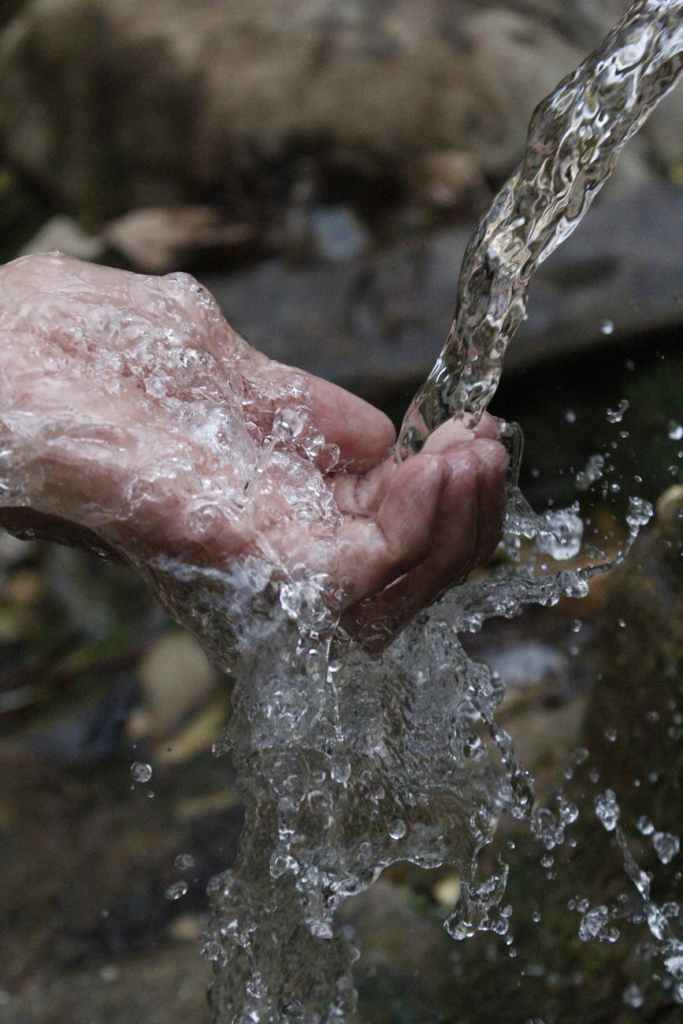
From acceptance, we can move toward surrender—offering these struggles to God through prayer. I’ve always found comfort in the imagery of “washing away” found in Scripture. Psalm 51:2 says, “Wash me thoroughly from my iniquity, and cleanse me from my sin.” There’s something so tender and restorative in that metaphor—a promise of renewal.

Is what I do pleasing to God? The answer begins to take shape when I allow Him to transform my heart. I bring my burdens—anger, envy, pride—and lay them at His feet, trusting Him to cleanse and renew me. In that surrender, I find peace and the assurance that my imperfect offerings can still be made holy through His grace.