Where can I go from your Spirit?

Dave Canovas

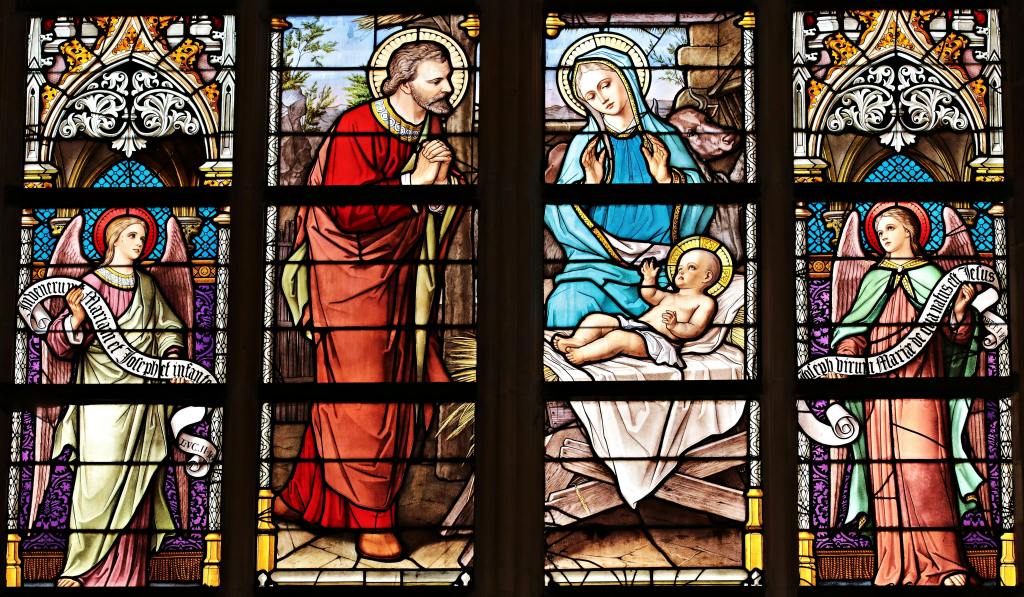
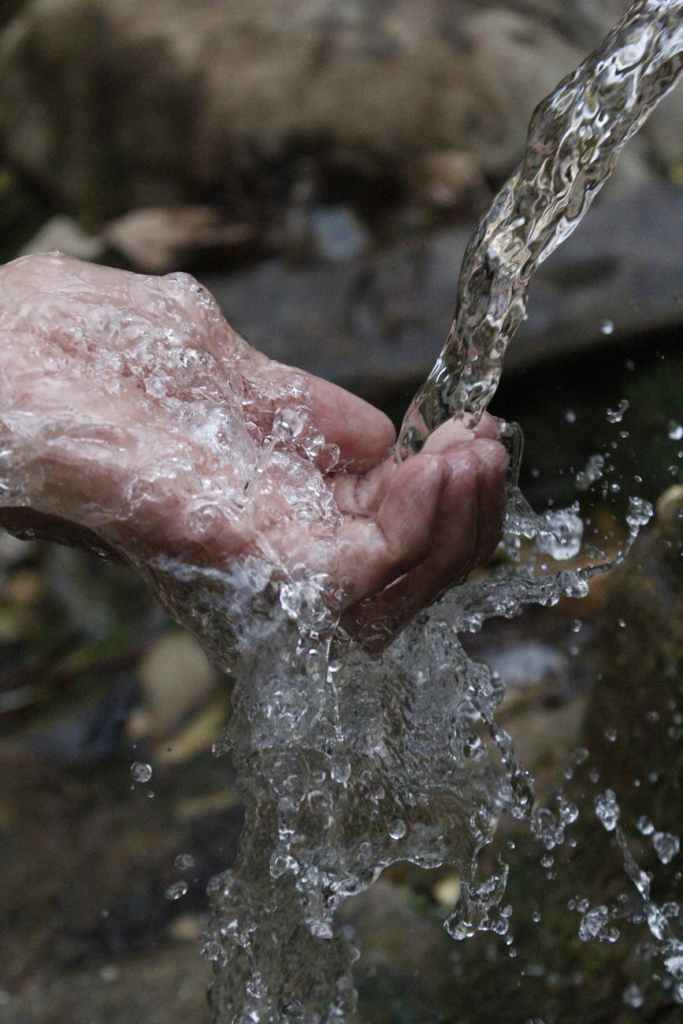
Where can I go from your spirit? Where can I flee from your presence? (Psalm 139). Desiring God of Silence, I booked a retreat, Quietude at St. Francis, Hillsborough. To me, it is like coming home to God, whom I might have forgotten, forsaken, or sidelined the past year. Outside in the world, there is always this constant and exhausting tug-of-war between sin and goodness. Without a refill, the well, I realize, will soon dry up. It is not a good place to be in the world when you are thirsty. And I know this to be true: whoever drinks of the water that I shall give shall never thirst again (John 4:11).

A lot of times when you are out in the world, memories of home rush in, reminding you of the comfort and warmth of familiar places. These moments make you long to return home and find rest in what you know. The outside world can feel overwhelming, but wanting to come home to God is always a good first step.

When I finally came home to this place of retreat, it felt like I was quite slowly inching my way back to the Father. This could be the feeling of when one has left home for far too long; you forget what being home actually feels like. The theme of the weekend was “The more you reveal yourself to God, the more God will reveal Himself to you.” I came to trust God no matter what because our Father, without a doubt, has a way of nurturing us back to a place of growth and familiar warmth.
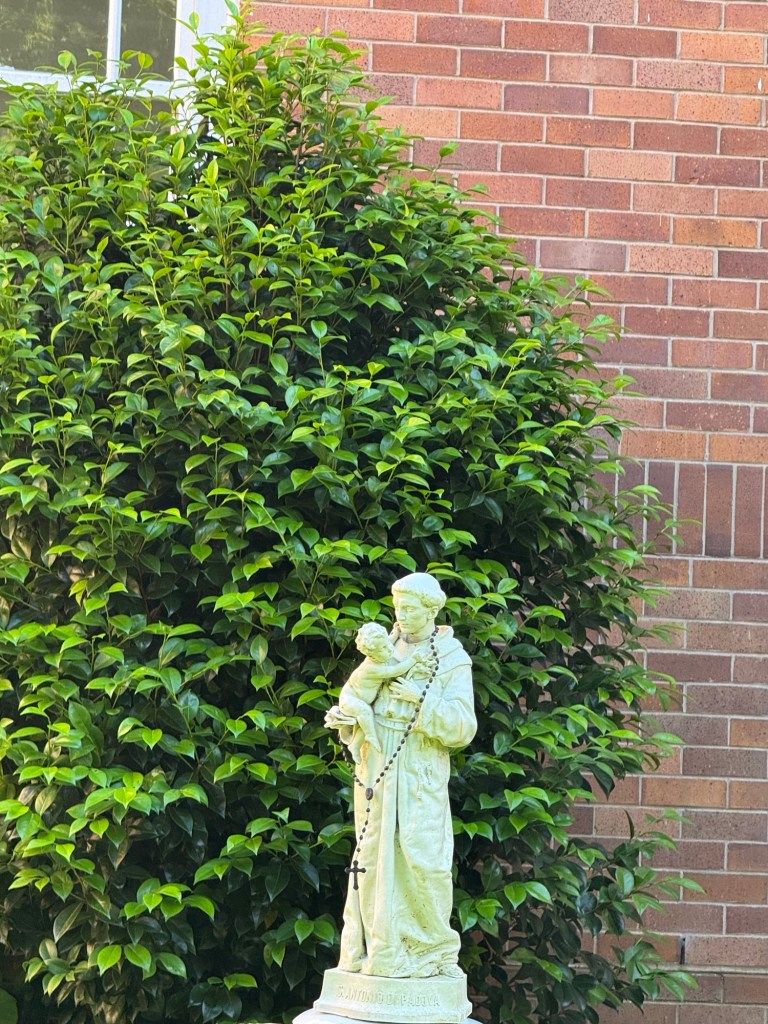
When we come home, our Mother welcomes us with affection and truth – truth that everything in the world is but temporary and a Mother’s embrace can nurse us back to peace. In the Spirit that proceeds from the Father, through His Son, I am again reminded of the Love that reassures me with His constant presence, light, and forgiveness. He hears my voice, and He knows me, and He assures me that no one shall snatch me out of His hand (John 10:27-30).
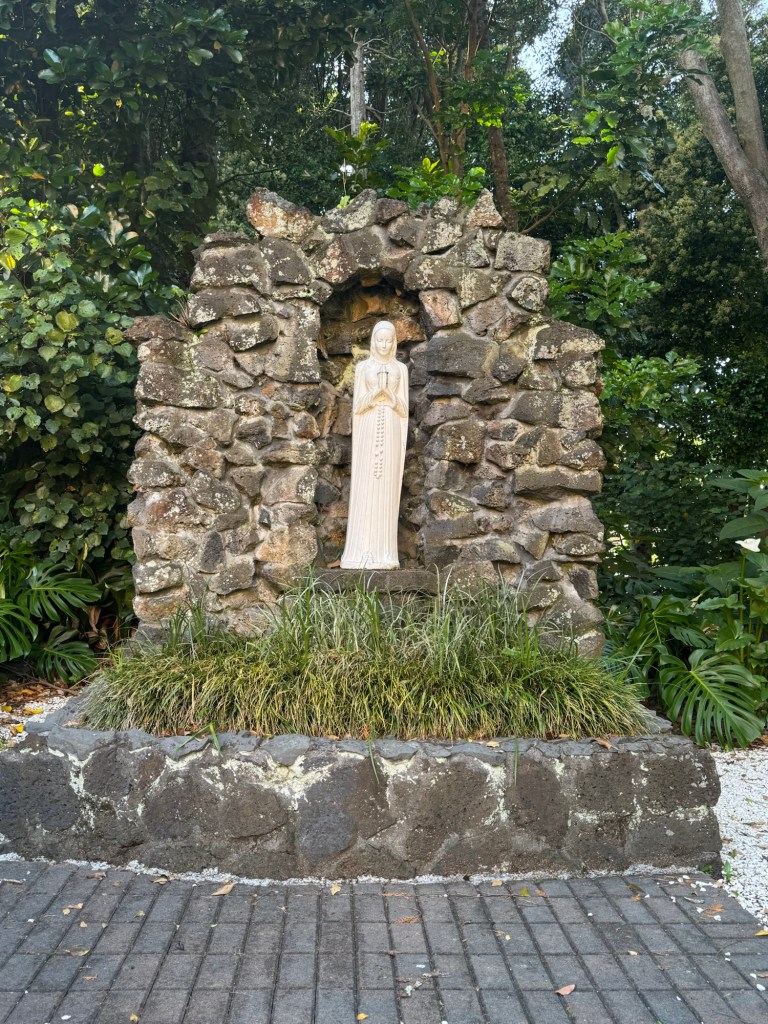
Soon, I will leave this place, but I will carry the purpose of returning home: it helps me face the world without fear. God knows my every moment; He understands my thoughts from afar (Psalm 139). In times of doubt, I find comfort in knowing I am never alone, for His presence surrounds me like a warm hug. Even when I walk through dark times, I will not fear evil, for He is with me; His rod and staff comfort me (Psalm 23:4).


Does hope fade?

Dave Canovas

Photo by Dee Onederer on Pexels.com

I may have mistaken what I thought was hope for something much less. Often used to mean waiting for a better life this world can offer, hope does feel like it constantly eludes us. So many of us, forlorn and broken, are praying for hope, yet it seems to slip away time and again. Instead of drawing us closer to God, we often find ourselves drifting further from Him.

I often pray hoping for ease and happiness that this world could bring. But hope tied into this world renders me exhausted and still feeling hopeless.

True hope is exhilarating. But if our hope is rooted in the world, we are clinging to false hope, which only leads to feelings of hopelessness. When we suffer in our bodies and in or mind, we pray that we be eased of these. Yet, hope is not merely the wish for ease, for what happens when that ease fades? Will we find ourselves hopeless again? That kind of hope is fleeting.

True hope is the healing of the soul, and that healing is found in knowing that only in God do we find true peace. It draws us nearer to Him. If praying for hope leads us away from God, then we must be praying wrongly. If we pray for hope and find the strength to hold fast to His love, even in sickness and pain, we know that we have found hope. Hope is the assurance that through God’s love, we can overcome all our fears, anxieties, restlessness, and sorrow. In the grander scheme of things, we find comfort in knowing that soon, we will be with Him in Paradise.

Prayer: Father, Son, and Spirit, never leave me in times when my hope seems to fade. Help me realise that the hope I cling to, which fades away, is not true hope. Let me know and feel the hope that only comes from You, the hope that is true and everlasting, the kind of hope that never fades.

Following Mary’s path of sorrows

Dave Canovas

This day has brought me to when Joseph and Mary brought the infant Jesus to the temple—“as every firstborn male must be consecrated to the Lord” (Luke 2:23). It should have been a moment wrapped in joy. Yet, that sacred moment was veiled by a shadow, as Simeon, filled with the Spirit, lifted his gaze and uttered a prophecy that would leave a mother’s mind perplexed and her heart, broken:

“…And a sword will pierce your own soul, too.”

What an agonising weight those words must have brought – unseen yet cutting deep within Mary’s heart – a premonition of a sorrow yet to come. In that singular moment of irony, present joy and foreboding sorrow; stood side by side. It is quite difficult to fathom, I suppose.

With bated breath, years passed. From the hurried flight to Egypt, to the quiet ponderings in her heart, I could only imagine that Mary had borne it all. In those years, the torment of that prophecy must have followed Mary like a very dark dream until that harrowing day on Golgotha, when Mary stood beneath the outstretched arms of her crucified Son. No prophecy could have shielded her for the agony that washed over her. The sword found its mark on her beloved Son and tore into her very soul, just as Simeon had spoken.

Our own sufferings at times, arrive like thieves in the night – unforeseen, uninvited—like the death of one we hold dear. No heart is ever truly prepared for such sorrow; it pierces deep, where words of comfort cannot reach. And yet, not all suffering is sudden. Some burdens linger quietly, like a mental or physical sickness we battle – an unseen torment that refuses to let go. It weaves through flesh and thought, present in every waking moment.

Yet in this, we are not alone.

Our Lady of Sorrows has walked this path before us—her heart pierced by grief, yet unwavering in love. She shows us that even in the deepest ache of anguish, there remains a quiet hope. Her silent contemplation beneath the Cross, her steadfast endurance in the face of unspeakable sorrow, calls us not to flee from suffering but to meet it with faith. For within every sorrow, the mystery of Christ’s redeeming love is already at work.

Seeing Through Judas’ Eyes

Dave Canovas

In recent days, I’ve drifted—perhaps unconsciously—into the psyche of Judas. Perhaps unknowingly, in my search for something to reflect on this Lent, I was drawn into the mind of another—one not unlike our own: vulnerable, pragmatic, and conflicted.

On the night before the Passover feast, as darkness gathered, Jesus was arrested—and it was then, as Luke tells us, that Satan entered Judas.

I have often wondered why Judas did what he did—why he betrayed Jesus. His name endures through time; his name synonymous to treachery. Yet, according to Matthew’s account, when he realised the weight of what he had set in motion—that Jesus was to be crucified—he tried to return the silver he had received and then took his own life.

Was he torn by his anguish? This wondering led me to Paul Claudel’s work The Death of Judas, where the playwright dares to enter Judas’s mind. Claudel imagines the chaos within him—not merely the act of betrayal, but the inner fracture of a man shaped by reason and pragmatism, suddenly immersed in three years of radical teachings, divine mystery, and the immeasurable grace of Jesus. Judas, in Claudel’s telling, is not simply a villain but a soul at war with itself.

In contemplating Judas, I’ve begun to see fragments of him in ourselves—in our doubts, our compromises, our quiet betrayals. Though John names him as the keeper of the moneybag who sometimes took from it (John 12:4–6), I can’t help but think: he once believed for how else could he have abandoned all to walk in the dust of a rabbi, to share in miracles, to sit at the same table of grace?

Judas walked with Jesus. He ate at His table, shared in His laughter, prayed in His presence, and listened to His voice. He was close—physically, spiritually—yet despite this sacred proximity, Satan found a foothold in his mind and slowly corroded his soul.

The weight of betrayal—of sinning against the very One who called him friend, the Lover of his soul—must have been unbearable. The guilt, gnawing and relentless, eventually consumed him. In that anguish, Judas succumbed to the enemy’s whisperings. We, too, have faced that battle. The heaviness. The numbness. The slow erosion of hope. It is not easy.

Yet I believe that to gaze through Judas’s eyes—to truly behold his torment—is not to glorify despair, but to witness the cost of turning away from grace. There is redemption even in this gaze. We are not meant to remain chained to our guilt. Christ calls us not to dwell forever in our darkness, but to rise, again and again, into light—into forgiveness, into healing.

If Judas’s story tells us of the tragedy of despair, it also reminds us of the urgency of grace through prayer. We are not beyond redemption. Even in our deepest guilt, Christ calls us not to end our stories in darkness, but to step back into His redeeming light.

Strive for Balance.

Photo by Pixabay on Pexels.com

Finding balance in life is often a challenge, especially when it comes to navigating the tension between giving to others and taking care of ourselves. How do we ensure that our acts of selflessness don’t leave us depleted, while also avoiding the trap of neglecting those around us?

I see challenges in both giving and taking. As a giver, I risk losing myself by neglecting my own needs, which can lead to resentment or feeling unfulfilled. On the other hand, when I focus too much on taking and ask, “What’s in it for me?” I miss out on the joy of true connection and end up fostering transactional relationships instead of meaningful ones.

In Mark 12:31, He reminds me, “You shall love your neighbor as yourself.” This verse gently underscores that loving others starts with loving myself. I can’t pour from an empty cup. It’s about recognizing that self-love and compassion for others need not be at odds with one another; rather, they can coexist harmoniously.

Even Jesus acknowledged the need for rest, as illustrated in Mark 6:31: “Come away by yourselves to a desolate place and rest a while.” This is a beautiful reminder that taking a moment to pause isn’t selfish; it’s necessary. It encourages me to create sacred spaces in my life where I can retreat, rejuvenate, and gather my thoughts without feeling guilty about the time taken for myself. Such practice gives me clarity and renewed strength that empowers me to face the world again.

As I practice self-love, I become better at self-denial. These two ideas work together, not against each other. Finding balance between them helps me build healthier relationships, both with myself and others. Loving myself allows me to give more sincerely, leading to peace, purpose, and deeper connections.

Gracious is the Lord!

Today, I take a moment to celebrate myself for a job well done. Reflecting on nearly 50 years of life, I realize how much I have grown in wisdom. This isn’t said with pride but with deep humility, recognizing that who I am today is a testament to God’s unending grace.

You may wonder how I know I’ve grown.

The answer lies in what no longer holds power over me. Things that once annoyed, upset, or infuriated me now barely touch me. I’ve learned to conserve my time and energy for what truly matters, letting go of what isn’t worth either.

I have shifted my gaze forward, leaving the past where it belongs. Mistakes once made cannot be undone, and dwelling on them serves no purpose. What’s done is done. My focus is now on what lies ahead.

Life, in all its complexity, has become something I can appreciate as it is. Problems often don’t have a single solution, and that’s okay. I’ve learned to embrace the gray areas and live in the present.

I can admit when I’m wrong, embracing the humility that comes with acknowledging my limitations. As Leo Tolstoy wisely said, “We can only know that we know nothing, and that is the highest degree of human wisdom.”

I accept that I am not perfect. Sooner or later, I may falter again, but I find peace in knowing that God holds the ultimate power to restore and renew me.

I understand that some things—and some people—cannot be changed. Yet, on the other hand, I know that I can change. Through patience and love, I have the ability to influence others, and in time, these small, consistent efforts can bring about meaningful change in them as well.

This journey of wisdom, however, is far from over. There is so much more to learn, to do, and to become. But all of this—every step forward—is a result of God’s grace. God works in us daily, transforming and moulding us into better versions of ourselves.

Wisdom takes time, but God is patient. All we need is to listen for His voice, moment by moment, and trust in His divine plan.

2 Corinthians 5:17 : Therefore, if anyone is in Christ, he is a new creation. The old has passed away; behold, the new has come.

Building Self-Worth Through Family and Faith

Photo by Thomas Elliott on Pexels.com

God created us in His image and likeness. I remind myself of this truth often until it resonates with me. Reflecting on Genesis, I realize the word “image” goes beyond physical appearance. Old enough now, I’ve learned that this passage is about more than looks; it highlights our nature as beings capable of relating, sharing, and loving. These qualities make us unique in the universe. God values relationships, and we do too.

Although this is my new understanding of the passage, it still serves as an essential reminder that our value transcends the physical.

Recently, I came across research from the Mental Health Foundation that highlighted the troubling impact of poor body image on young people. This issue often leads to self-disgust, anxiety, and depression, disproportionately affecting girls. As a father of two teenage daughters, this research deeply troubles me. Exposed to media representations, peer pressures, and their own personal struggles, they face an ongoing risk of developing unhealthy obsessions with unattainable body ideals. Unsurprisingly, the same research found that children with less exposure to social media tend to experience better overall mental well-being.

I saw the amazing impact of encouragement at a youth camp where my daughters participated. It was inspiring to see them showcase their talents in dancing, singing, speaking, and playing instruments. I am thankful they are part of a church community that supports their passions. Watching them shine on stage filled me with joy and reminded me that each talent shows God’s wonderful gifts.

At home, family plays an important role in building self-worth. The words we say about a child’s appearance can have lasting effects, either good or bad. As parents, we have the power to create a space where our children feel valued for who they are—not just for how they look. This includes celebrating their talents, their ability to love and care, and their courage to follow their dreams.

If you are a young person reading this, remind yourself that you are more than just flesh and bone. You are made for something far greater. And if, like me, you are older, take heart—our time is not over. There are still countless opportunities to be men and women for others. Remember, God is a God of relationships, and we are made in His likeness.

PSALM 139:14: “I praise you, for I am fearfully and wonderfully made. Wonderful are your works; my soul knows it very well.”

When you get weary of hearing your own voice, listen to God’s.

The view from my window

I thank God for providing me with moments and spaces to simply be still. Spending time at a retreat at St. Francis in Hillsborough, Auckland, is always a grounding and centering experience. As someone who leads a busy life and wears many hats, I make it a priority to attend a retreat at least once a year. Next year, I plan to go even more frequently—because now, more than ever, I realize how much I need it.

I’ve learned to recognize when I need stillness. Balancing my roles at church, home, and school can sometimes feel overwhelming. Just being a teacher alone is a challenge. One moment, I feel energized and inspired to teach; the next, I’m exhausted and drained. It’s a constant cycle of highs and lows, a rollercoaster of emotions and energy. And through it all, it’s my own inner voice that I hear.

Over time, I’ve realized that when my voice dominates and begins to wear me out, I need to pause, slow down, and listen to another voice—the voice of God. His voice is comforting and restorative. These days, I’ve come to understand that I can only hear Him in moments of silence.

In the retreat, I found solace in walking through the Labyrinth of Prayer, a sacred space nestled among the trees. Unlike a maze, the labyrinth has no dead ends or tricks. It’s a simple, clear pathway that allows you to walk freely, carrying your burdens, questions, and prayers to God. As I walked, the noise within and around me seemed to fade away. Step by step, I felt lighter, and as I reached the center of the labyrinth, I could hear God’s voice again.

Listening to God’s voice is deeply healing. When I call out His name in silent prayer, over and over, it shifts my focus away from myself and back to Him.

Indeed, He is my God of silence.

Rushed lives, lost meaning

By Dave Canovas

Photo by Taras Makarenko on Pexels.com

I know I’m rushing through life mindlessly when even my prayers feel hurried.

We live in an age of relentless acceleration. News reaches us within seconds, and life spins at such a dizzying pace that multitasking often feels like the only way to keep up. While multitasking can be productive at times, I’ve learned to listen to my heart. It sends a clear message: if rushing leaves me anxious or stressed, I need to slow down. Prayer can be a powerful tool to ground us, but if we rush through it, it risks becoming just another task, leaving life feeling chaotic and devoid of meaning.

For me, living at a hurried pace does more harm than good. It strips away my ability to focus and deliver excellence at work. It predisposes me to snap judgments and anger, especially in challenging conversations. I’ve found that slowing down helps tame my tongue and fosters clarity. But the greatest harm rushing does is that it robs me of patience and self-control—two fruits of the Holy Spirit that are especially essential in today’s fast-paced world.

In my classroom, I’ve seen the benefits of slowing down firsthand. When my students are restless, creating a slow, calm routine transforms our interactions. It fosters mutual respect and encourages self-regulation. When we slow down, we focus more deeply—on ourselves, on others, and on the present moment. We begin to notice and appreciate the journey rather than fixating on the destination. This shift allows us to discover new meanings and insights that would otherwise go unnoticed. By slowing down, we give patience the space to grow.

Prayer is one of the most profound ways to slow down. When we pray with intention—cherishing each word and speaking from the heart—it becomes an act of consecration. In these moments, we hear God’s voice more clearly. His voice soothes, heals, and refreshes our souls. Prayer is our sacred time with God, and He never rushes us. So why should we rush Him?


Pleasing God: Embracing Our Flaws and Finding Grace

Dave Canovas

Photo by Samad Deldar on Pexels.com

Is what I do truly pleasing to God? It’s a question that often lingers in my heart. Whenever doubt arises, I find myself returning to one thing: my intentions.

Emotions are complex and often come disguised. When someone else achieves success, you might smile and celebrate outwardly, yet beneath the surface, envy quietly festers. When others throw hurtful remarks your way, you might pretend it doesn’t bother you, but deep down, resentment simmers. Even acts of kindness can sometimes carry hidden motives—an unspoken desire for acknowledgment or praise.

When these tangled emotions take hold, it’s important not to suppress them. Instead, face them with honesty and grace. Our hearts are intricate landscapes, filled with both light and shadows. Acknowledging these emotions doesn’t make us weak; it makes us human. Only through acceptance can we begin to release their grip.

From acceptance, we can move toward surrender—offering these struggles to God through prayer. I’ve always found comfort in the imagery of “washing away” found in Scripture. Psalm 51:2 says, “Wash me thoroughly from my iniquity, and cleanse me from my sin.” There’s something so tender and restorative in that metaphor—a promise of renewal.

Is what I do pleasing to God? The answer begins to take shape when I allow Him to transform my heart. I bring my burdens—anger, envy, pride—and lay them at His feet, trusting Him to cleanse and renew me. In that surrender, I find peace and the assurance that my imperfect offerings can still be made holy through His grace.